Use this home page, Acupoint Finder, Meridian Body Map, and Safety Guide, when the reader does not yet know whether they need a point page, safety page, glossary term, guide, or tool.
Chinese acupoints, translated carefully
Acupoint finder: body map, meridians, and safety stops.
Find an acupoint by body area, point name, mild goal, or meridian; learn where it is; compare nearby pages; and know when not to self-treat.
This site is education only, not diagnosis or treatment. Do not use it for urgent symptoms, pregnancy, chronic conditions, medications, injury, severe symptoms, children, recent surgery, or anything that feels unusual or hard to interpret.
Content checked 2026-07-05Education and safety navigationNot clinically reviewed
Acupoint FinderChoose one row, then read the full point page before touching the body.
Body areaReader goalPoint nameMeridianSafety stop
Inner wristNausea readingPC6 NeiguanPericardiumPersistent vomiting, dehydration, pregnancy concern, wrist injury, or medication questions.
Hand webHead tension contextLI4 HeguLarge IntestinePregnancy, hand injury, severe headache, numbness, swelling, or unusual pain.
Front lower legDigestion contextST36 ZusanliStomachSevere abdominal symptoms, bruised shin, swelling, numbness, or clot concern.
Top shoulderNeck and shoulder readingGB21 JianjingGallbladderPregnancy, injury, nerve symptoms, severe pain, or deep-pressure uncertainty.
Find a pointSearch by code, pinyin, body region, or meridian before opening one full locator page.Choose a concernStart from nausea, sleep, stress, headache, sinus, travel, or desk tension.Check safety firstUse stop signs before pressure when symptoms, skin, pregnancy, medication, or surgery matter.Learn the basicsRead pressure method, point finding, cun measurement, and the acupuncture boundary.
reading path
Start From the Question You Brought
Arrive FromA point code, a mild concern, a safety worry, or a term you do not understand.
DecideChoose whether this is a point lookup, a safety-first question, a glossary lookup, or a beginner method.
Next StepOpen one page, read the stop signs, then either continue gently, stay read-only, or leave for qualified care.
reader path
Is This the Right Page to Read Now?
This home page fails if Acupoint Finder, Meridian Body Map, and Safety Guide becomes a directory of tempting point names instead of slowing the reader down before pressure.
Choose one starting page, read that page's stop signs, then continue only if the concern still fits education-only self-care.
Curated Reading Paths
Start from a reader task, then open one page with a clear reason.
Most Common First Clicks
Start with the questions readers actually bring.
Read Before Pressing
These pages keep the homepage from acting like a chart.
Why This Page Gets Extra Attention
Reader Scenario
A first-time reader types pregnancy, nausea, GB21, or cun and needs one safe first page.
Common Misread
Do not let the homepage behave like a body chart or point-collecting page.
Editorial Call
The homepage should surface common tasks, trusted starter pages, and stop-first decisions before directories.
Best Next Choice
Choose Safety for risk, Acupoints for codes, Wellness for mild scenarios, or Glossary for unclear terms.
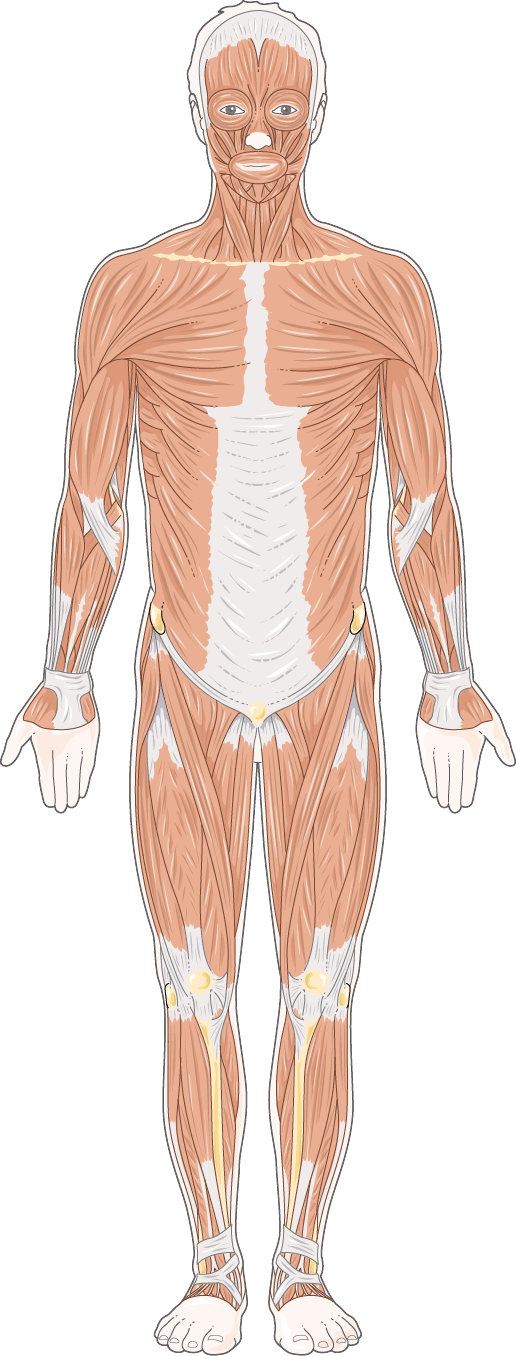
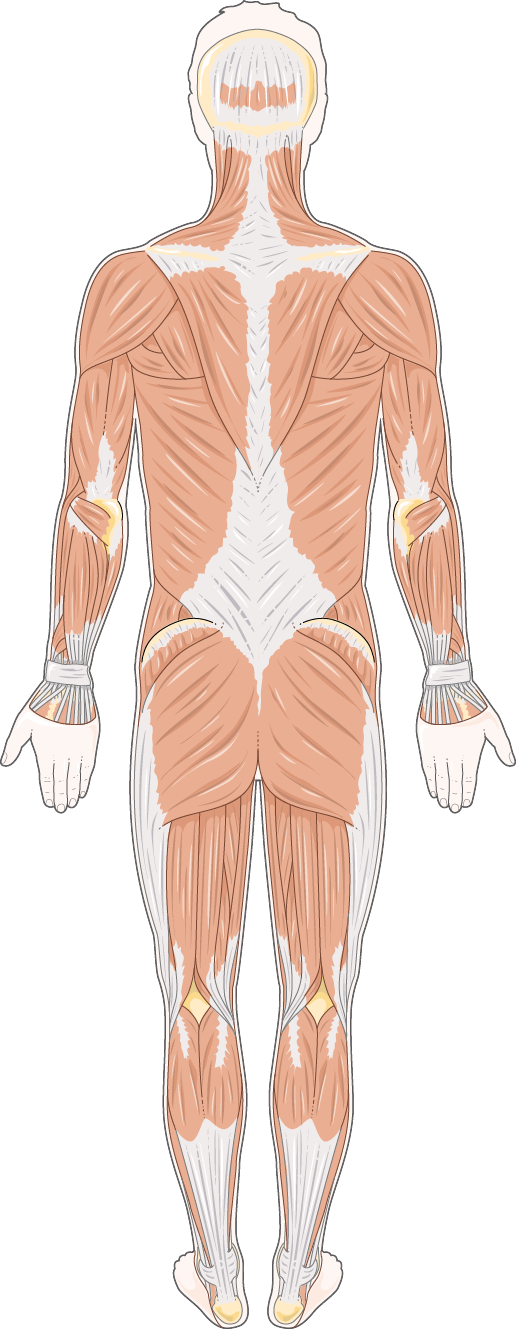
Use the anatomy preview as a starter map, then let curated links decide the first click.
Start With One Named Page
If you arrive from a real concern, choose one narrow page first: PC6 Neiguan for wrist-location reading around nausea context, LI4 Hegu for the hand-web page with pregnancy caution, or ST36 Zusanli for the front lower-leg article. Each page explains what the point is called, what it is commonly associated with in traditional reading, what it does not prove, and which safety page should interrupt the visit.
How to Read the Anatomy Preview
The homepage image is a navigation aid for common starter pages, not a complete body chart.
- Use the front and back licensed anatomy bases to choose a broad body area before opening a point.
- Follow one marker to one full point page, then read the locator, safety card, and source notes there.
- Let safety pages override the picture when the concern is severe, unusual, pregnancy-related, or medically complicated.
The preview cannot personalize pressure, identify conditions, or replace a point-specific landmark.
Before You Try This
This site is education only and not medical advice. Do not press broken, infected, swollen, numb, or very painful skin. Seek qualified care for severe, sudden, persistent, unusual, or emergency symptoms, pregnancy, chronic conditions, medications, injury, recent surgery, or child-use questions.
Choose the Page That Matches the Decision
Use the atlas as a reading map: point lookup, mild scenario, safety question, method, or vocabulary.
Start With the Narrowest Question
Open a point page when you know the code or body area, a wellness guide when the concern is mild, and a safety page when risk should decide first.
Know What the Atlas Cannot Do
It cannot identify conditions, replace medication, judge a personal condition, review photos, or turn a traditional point name into proof of benefit.
No Clinical Signoff
Pages are maintained by the site publisher using named sources, conservative wording, visible content-check dates, and safety-first editing rules.
Questions Readers Bring Here
Start from the question you actually have, then let safety decide the next click.
What should I search first if I only know a symptom?
Start with a mild concern such as nausea, sleep, stress, headache, sinus, or shoulder tension, then read the safety page before choosing a point.
Can I search by point code instead of a body area?
Yes. Codes such as PC6, LI4, ST36, GB20, GB21, and KD1 open point pages with locator notes, stop signs, and related pages.
When should I stop using the atlas and ask for care?
Stop for severe, sudden, persistent, worsening, unusual, emergency, pregnancy-related, child-use, medication, injury, numbness, swelling, infection, or severe-pain concerns.
Start With Common Points
Each page separates location, traditional use, safe pressure, and evidence limits.
PC6
PC6 Neiguan
Read PC6 Neiguan as an inner-forearm point with name meaning, nausea context, related points, common misuse, and conservative safety limits.
LI4LI4 Hegu
Read LI4 Hegu as a hand-web point with name meaning, common head and face context, related points, misuse examples, and pregnancy caution.
ST36ST36 Zusanli
Read ST36 Zusanli as a lower-leg point with name meaning, digestion and vitality context, related points, misuse cautions, and technique boundaries.
SP6SP6 Sanyinjiao
Read SP6 Sanyinjiao as an inner lower-leg point with name meaning, menstrual and sleep context, related points, and pregnancy-first safety limits.
CV17CV17 Shanzhong
Read CV17 Shanzhong as a chest-center Ren meridian point with breath and stress context, related pages, and strict chest-symptom safety limits.
KD1KD1 Yongquan
Read KD1 Yongquan as a sole-of-foot point with Bubbling Spring meaning, bedtime and grounding context, related foot points, and foot-skin cautions.
CV4CV4 Guanyuan
Read CV4 Guanyuan as a lower-abdomen Ren point with name meaning, vitality and menstrual-language context, related points, and strict safety limits.
GV20GV20 Baihui
Read GV20 Baihui as a crown point with Hundred Meetings meaning, focus and travel-fatigue context, related pages, and dizziness-aware safety limits.
Wellness Guides
Scenario pages begin with the medical boundary, then name a small point set.
Pressure Points for Nausea: PC6 First, Related Points, and When to StopOpen PC6 first if the nausea is mild and low-risk; otherwise open Safety before comparing ST36 or CV12.Pressure Points for Stress and Anxiety: Calm-Pause Reading PathRead PC6 or HT7 first only if the situation is ordinary and mild; otherwise use Safety or qualified support.Acupressure Points for Better Sleep: Gentle Bedtime Reading PathOpen KD1 first for foot context, then compare HT7, EX-HN3, SP6, or foot bedtime only if the sleep concern remains mild.Pressure Points for Headaches: Mild Head Tension Reading PathOpen LI4 for mild ordinary context, or open urgent-care safety when the head symptom is severe, sudden, unusual, worsening, or linked to neurological or vision signs.Acupressure for Sinus Pressure: Mild Nasal Comfort Reading PathOpen LI20 if the context is mild and facial skin is calm; otherwise open Safety before comparing LI4, BL2, Yintang, LU7, or LU9.Acupressure for Digestion and Bloating: Mild Meal-Comfort Reading PathOpen ST36 first for mild meal context, then compare CV12, ST25, PC6, or ST40 only if abdominal safety remains clear.
Tools
Lightweight helpers keep the core action on the page without creating separate result pages.
Acupoint Body Map Browser: Region Filter, Not Body AdviceUse the body map browser to filter point pages by region and caution state, then open one full article before any pressure idea.Cun Measurement Helper: Read Body-Relative Locators CarefullyUse the cun helper to understand proportional acupoint language while keeping measurement uncertainty and safety limits visible.Five-Minute Routine Builder: One Conservative Reading PathBuild a short acupressure reading path for mild scenarios, with visible inputs, stop states, and one next page.